
Oral-B stops using Teflon in its popular Glide dental floss
 The change comes after years of scrutiny following a landmark study by Silent Spring
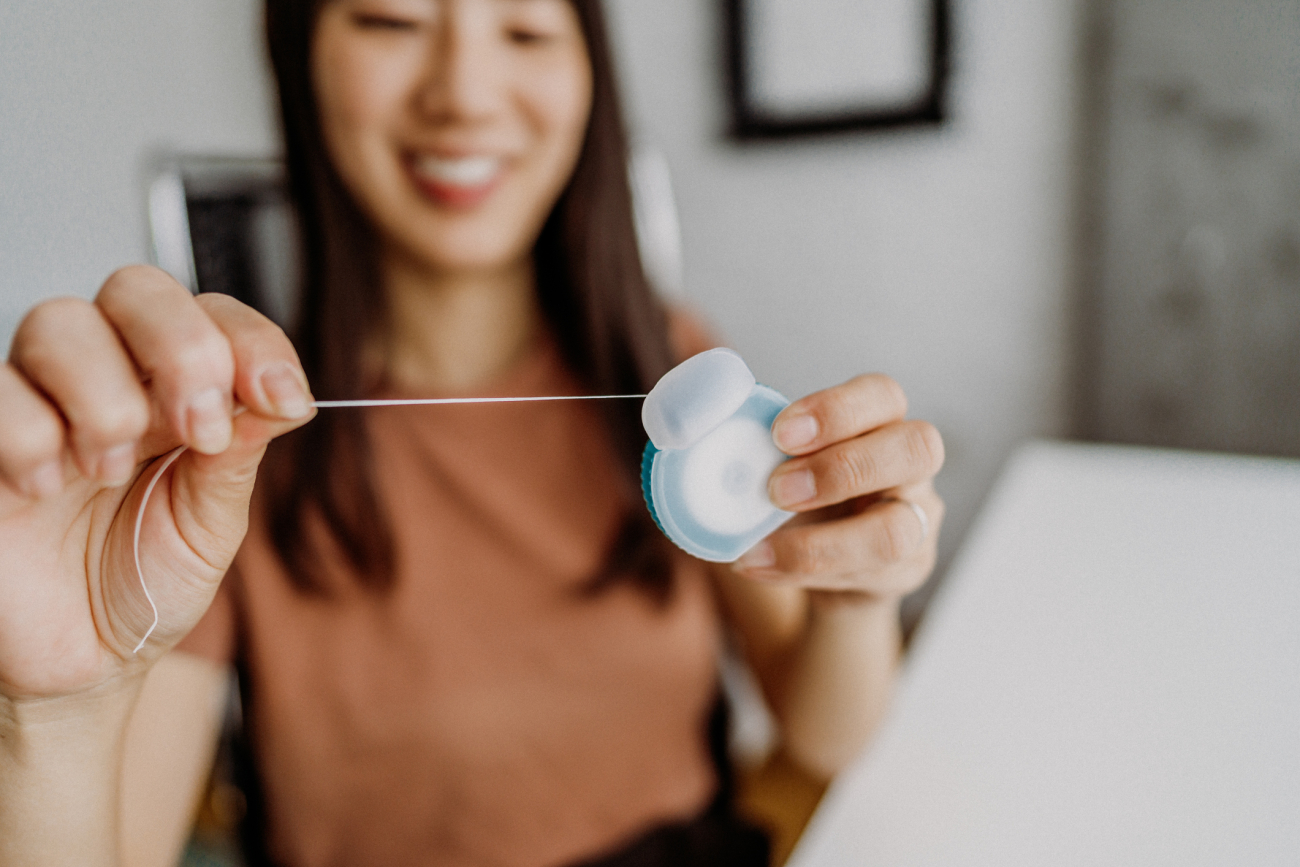
In a clear example of environmental health research driving real-world change, Oral-B has eliminated PFAS from its Oral-B Glide dental floss line. The move follows years of public and scientific scrutiny, including by Silent Spring Institute, which was the first to identify dental floss as a potential source of PFAS exposure.
In 2019, Silent Spring scientists published a study showing that women who reported using Oral-B Glide floss had higher levels of a type of PFAS in their blood than those who did not use the product. At the time, it was known that Glide was made with PTFE, a PFAS polymer known as Teflon.
To dig deeper, the team tested 18 dental floss products, including three Glide varieties, for fluorine—a marker of PFAS. All three Glide products tested positive. Two store brands labeled “compare to Oral-B Glide,” as well as one described as a “single strand Teflon fiber,” also showed evidence of PFAS.
“This was the first study to demonstrate that using dental floss with PFAS could increase your body burden of these chemicals,” says Katie Boronow, the study’s lead author. “The fact that many of the products we tested didn’t contain PFAS shows that these chemicals are not necessary.”
PFAS are used in a wide range of consumer products, including food packaging, nonstick pans, waterproof clothing, and stain-resistant upholstery. Scientists are concerned about widespread exposure because PFAS have been linked to cancer, thyroid disease, low birth weight, reduced fertility, and many other harmful health effects.
The study helped catalyze broader awareness of the widespread use of PFAS in everyday products, particularly non-essential uses. “Dental floss is important for oral health, but it does not require PFAS chemicals to function effectively,” says co-author Dr. Laurel Schaider. “Their use in these products is a readily avoidable source of exposure.”
Oral-B reports that its updated Glide floss now uses a micro-textured fiber, and that none of its floss products are made with PFAS. However, Schaider cautions that other floss companies may still use PFAS. The best way to avoid exposures, she says, is to steer clear of floss with PTFE on the label and look for floss that is either uncoated or coated in wax, preferably from a natural source.
This recent development underscores the power of science to inform public understanding and shift markets. By identifying hidden sources of chemical exposure and translating those findings into action, Silent Spring continues to advance its mission to reduce harmful environmental exposures and protect public health.
Resources or References
Reference:
Boronow, K.E., J.G. Brody, L.A. Schaider, G.F. Peaslee, L. Havas, B.A. Cohn. 2019. “Serum concentrations of PFASs and exposure-related behaviors in African American and non-Hispanic white women.” Journal of Exposure Science & Environmental Epidemiology. DOI: 10.1038/s41370-018-0109-y