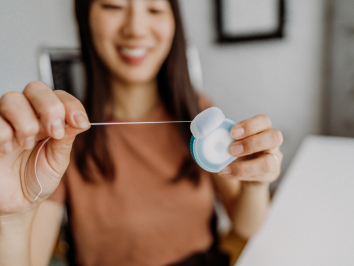
Oral-B stops using Teflon in its popular Glide dental floss
The change comes after years of public and scientific scrutiny, sparked by a landmark study by Silent Spring identifying dental floss as a potential source of PFAS exposure.

Here, you’ll find the latest news about our research and our impact. For detailed information about our past and present projects, please explore Our Science.
The change comes after years of public and scientific scrutiny, sparked by a landmark study by Silent Spring identifying dental floss as a potential source of PFAS exposure.
Products found to contain toxic organotins, flame retardants, phthalates, and other substances linked with cancer and other harmful health effects.

How science-backed regulations protect people from toxic chemicals in their everyday lives.

New study shows public health benefit of policies that restrict toxic chemicals in products.

New Silent Spring study maps misconceptions about harmful everyday chemicals, offering a guide for more effective public health messaging to combat misinformation and help people make informed decisions.

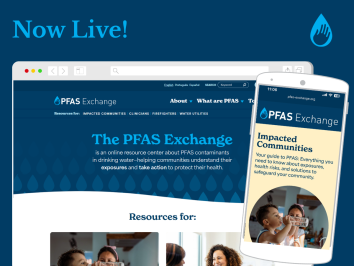
With a fresh design and expanded information, the PFAS Exchange is a vital resource that helps people understand their exposure to PFAS chemicals and take action to protect their health.
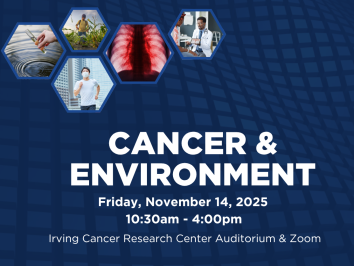
Silent Spring Institute and Columbia University hosted a one-day CME event on the state of the science of environmental carcinogenesis and the role healthcare providers play in reducing risk.
New study sheds light on chemical hazards in U.S. workplaces and overlooked risks for female workers.

From the air we breathe to the products we use, how environmental factors may be driving the rise in early-onset disease.

Latest findings from the Taking Stock Study