Adding flame retardant chemicals to furniture does not improve fire safety
New analysis calls into question effectiveness of fire safety regulations that lead to the use of hazardous chemicals in furniture.


Here, you’ll find the latest news about our research and our impact. For detailed information about our past and present projects, please explore Our Science.
New analysis calls into question effectiveness of fire safety regulations that lead to the use of hazardous chemicals in furniture.
Switching to flame retardant free foam pit cubes reduces exposures without compromising fire safety

Analysis shows Hispanic communities are disproportionately exposed

Study reveals efforts to address widespread PFAS contamination affecting millions of Americans

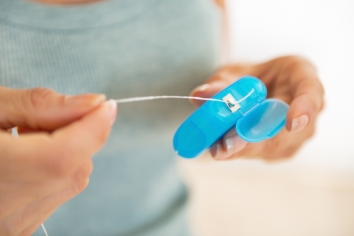
Analysis shows association between Oral-B Glide dental floss and higher exposures
NIH-funded project will focus on effects of PFASs from firefighting foams on children’s immune systems
Innovative study is at the forefront of environmental health research, with scientists using cutting-edge tools to sift through vast amounts of exposure data and hone in on the real chemical culprits.

Boston Public Radio co-hosts will lead a lively and engaging discussion, featuring a panel of leading experts in the field.
Federal report validates Silent Spring's pioneering methodology of reporting back to participants in environmental health studies.
Thanks in large part to our research, San Francisco and Washington state recently issued bans on food packaging containing harmful PFAS chemicals.